
Received weight
The material documented when the batch arrives.


If you have jewellery, scrap or workshop material, its total weight does not tell you how much precious metal can be recovered. Composition, purity and processing requirements all affect the assessment and eventual settlement.
Before handing over or shipping a batch, understand how it will be evaluated, which charges apply and when processing becomes irreversible. This guide explains what to ask and which records to keep.
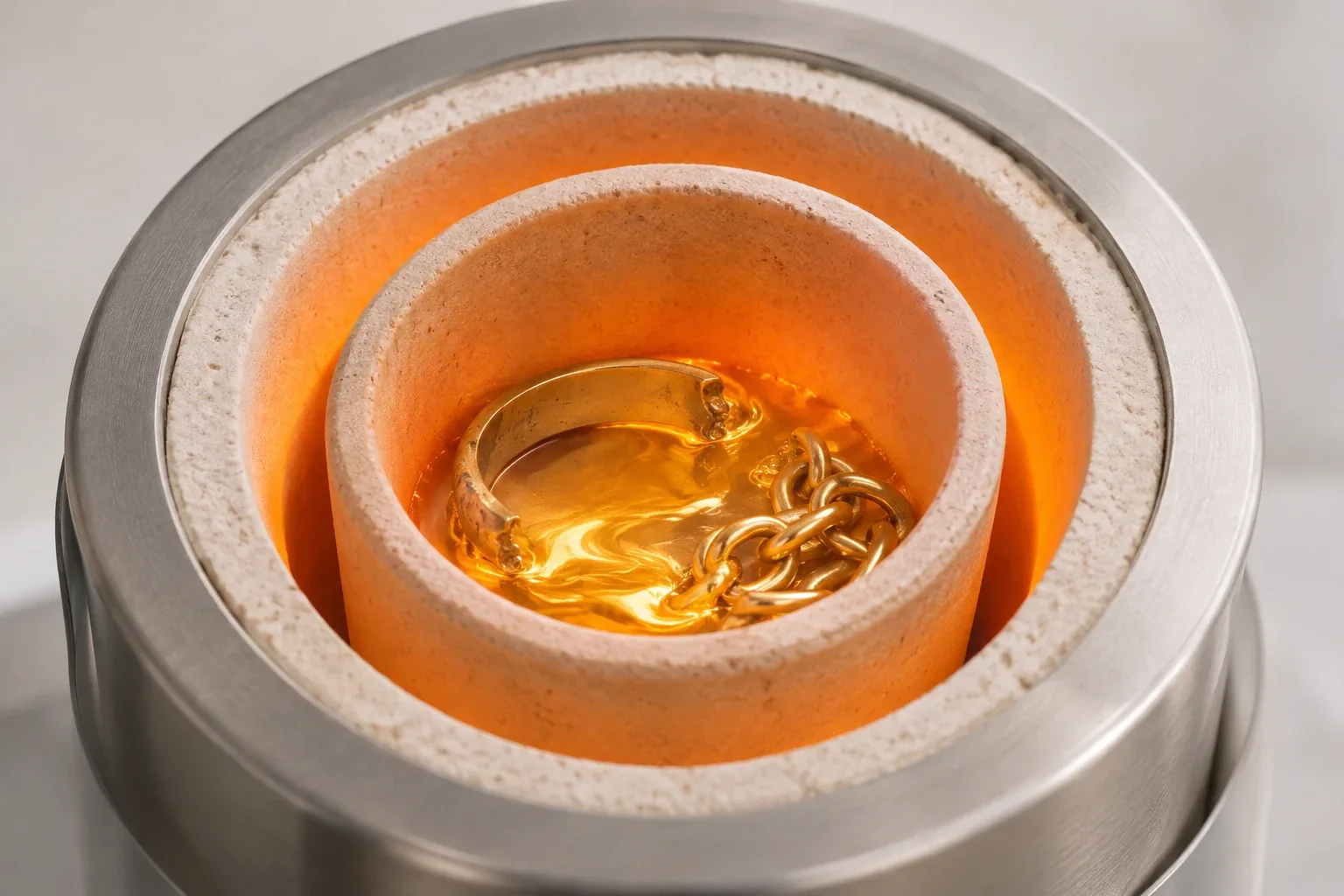
Refining recovers and separates precious metals from material containing alloys or other substances, and the results provide a basis for valuation under the agreed terms.
That differs from a retail or insurance valuation. If an item may be worth more as finished jewellery or a collectible, consider that before authorising refining.

Jewellery, dental alloys, industrial material and workshop residues have very different compositions, and a refiner that accepts one may not accept another.
Describe the source and form of your material, including any coatings, stones or steel. If you do not know the composition, say so.
Gross weight includes everything submitted, and stones, fittings and dirt add weight without adding value. Ask how the refiner distinguishes:
The material documented when the batch arrives.

The precious-metal quantity established through the applicable analysis.

The metal quantity used in the payment calculation under the agreed terms.

Find out how the material will be assessed and whether it needs sorting, sampling or melting. A reading from one surface may not describe a mixed batch.
Clarify whether testing will alter the material or consume a sample, and what authorisation is needed before those steps begin.
A market price alone does not establish a refining payout. Ask which verified quantities and which price reference apply, and when the price is set.
Get an explanation of any refining, testing or handling charges, minimum fees, and the settlement method and timing.
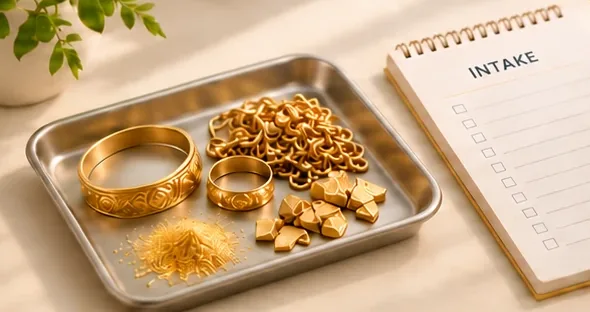
Keep a basic inventory that separates known information from estimates.
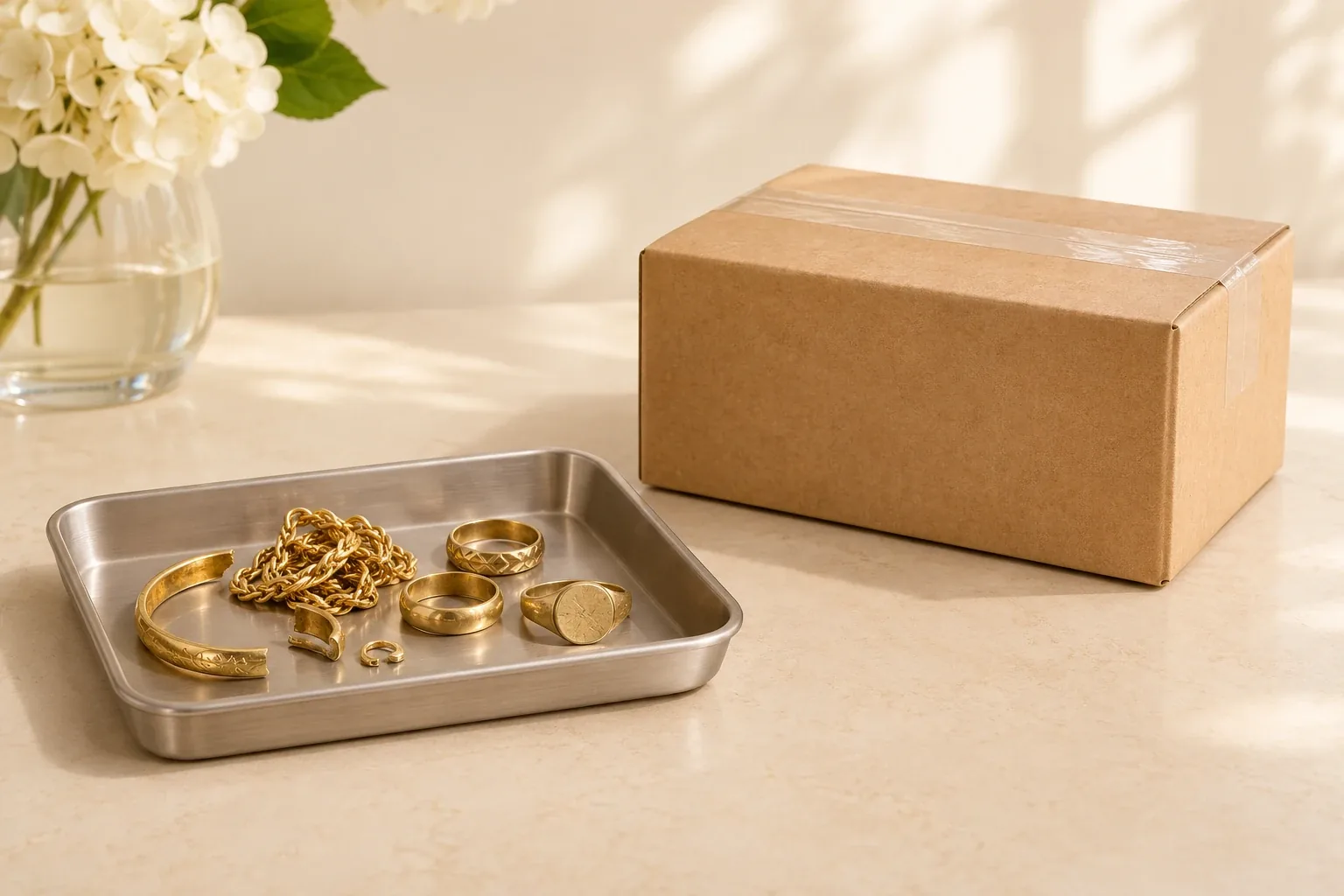
Before shipping from Toronto or elsewhere in Canada, confirm the material is accepted and verify the receiving address directly. Agree on packaging, tracking and transit insurance.
Keep your inventory and dispatch records, and ask how receipt and received weight will be documented.
An initial estimate may rely on your description or an assumed purity, and further assessment can establish something different.
Ask what changed and how it affects the calculation. Returning an intact item may not be possible after melting, so agree decision points before work begins.
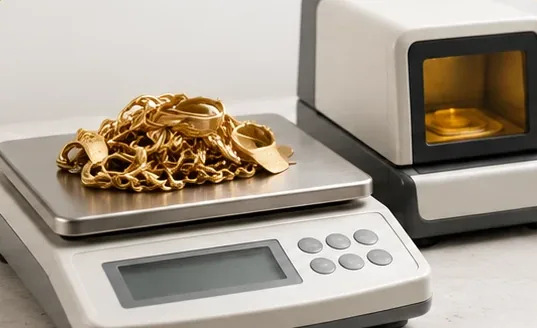
Measurement Canada requires scales used to buy or sell precious metals by weight to be approved, inspected and accurate for precious metals.
Ask which unit is used, whether containers are excluded and how the documented weight relates to the assessed metal content.
The tax treatment of qualifying bullion does not automatically apply to the work done on it. CRA guidance notes that a refining fee charged to the metal’s owner is generally subject to GST/HST.
Ask for an itemised explanation of taxes and charges, and consult a tax professional if needed.
Keep the submission inventory, agreed terms, delivery records and assessment documents with the final settlement statement.
Check that the result shows the batch, weights, metal content, pricing basis and charges clearly enough to follow the calculation.

Call our Toronto trading floor with the material type and approximate quantity. We’ll confirm acceptance and the next steps.
 24 Gold Group Ltd.
 Business hours:
 Phone:
 Email:


 Call the Trading Floor