
Buying bullion
Compare equivalent products and their full cost. Establish the product’s availability, payment arrangements and collection or delivery terms.
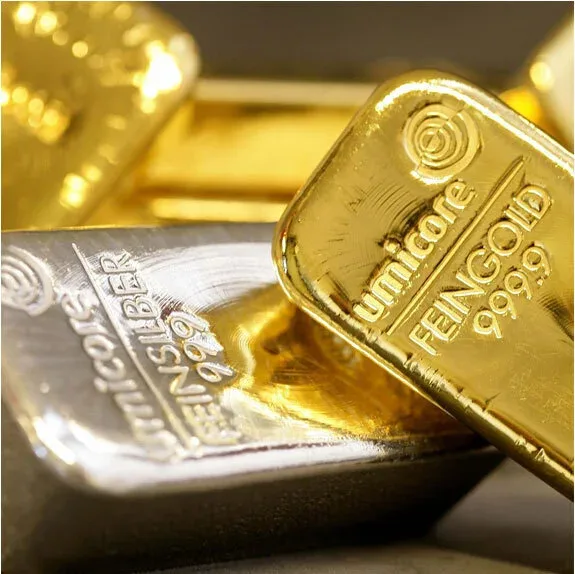
A gold chain, a silver bullion bar and a platinum coin all contain precious metal, but their weight, purity and product characteristics affect how they are priced. Understanding those differences helps you compare products, interpret market prices and prepare items for assessment.
This guide covers the terms and practical considerations you are likely to encounter when buying, selling or refining precious metals in Canada.
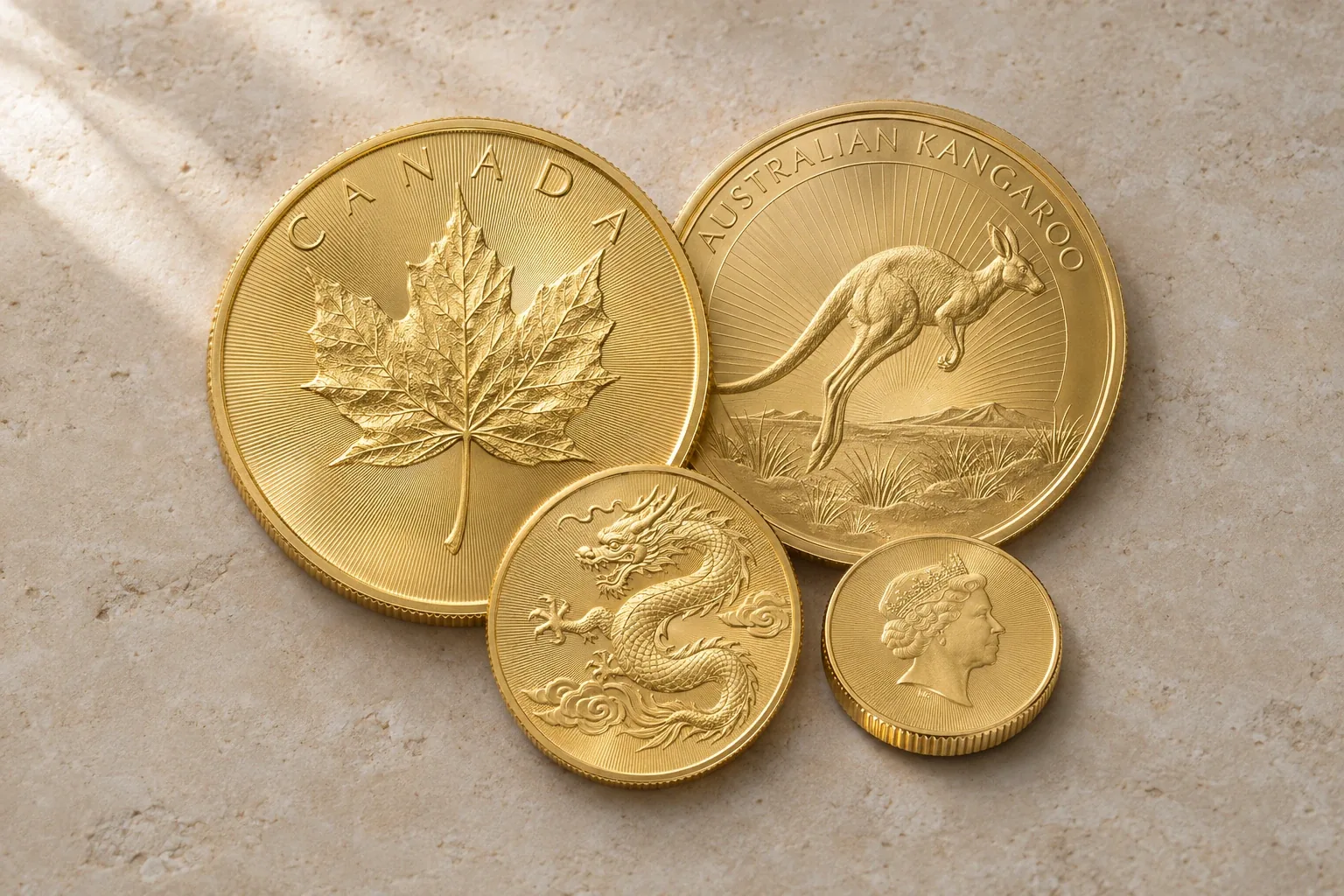
Gold jewellery is mixed with other metals for colour and durability, and its karat rating gives the proportion of gold: 18K is 75% gold. Bullion bars and coins have their own weight and purity specifications.
Jewellery prices include design and workmanship that do not carry through to a metal-based offer, so an appraisal, a replacement value and a gold-content offer can all differ.
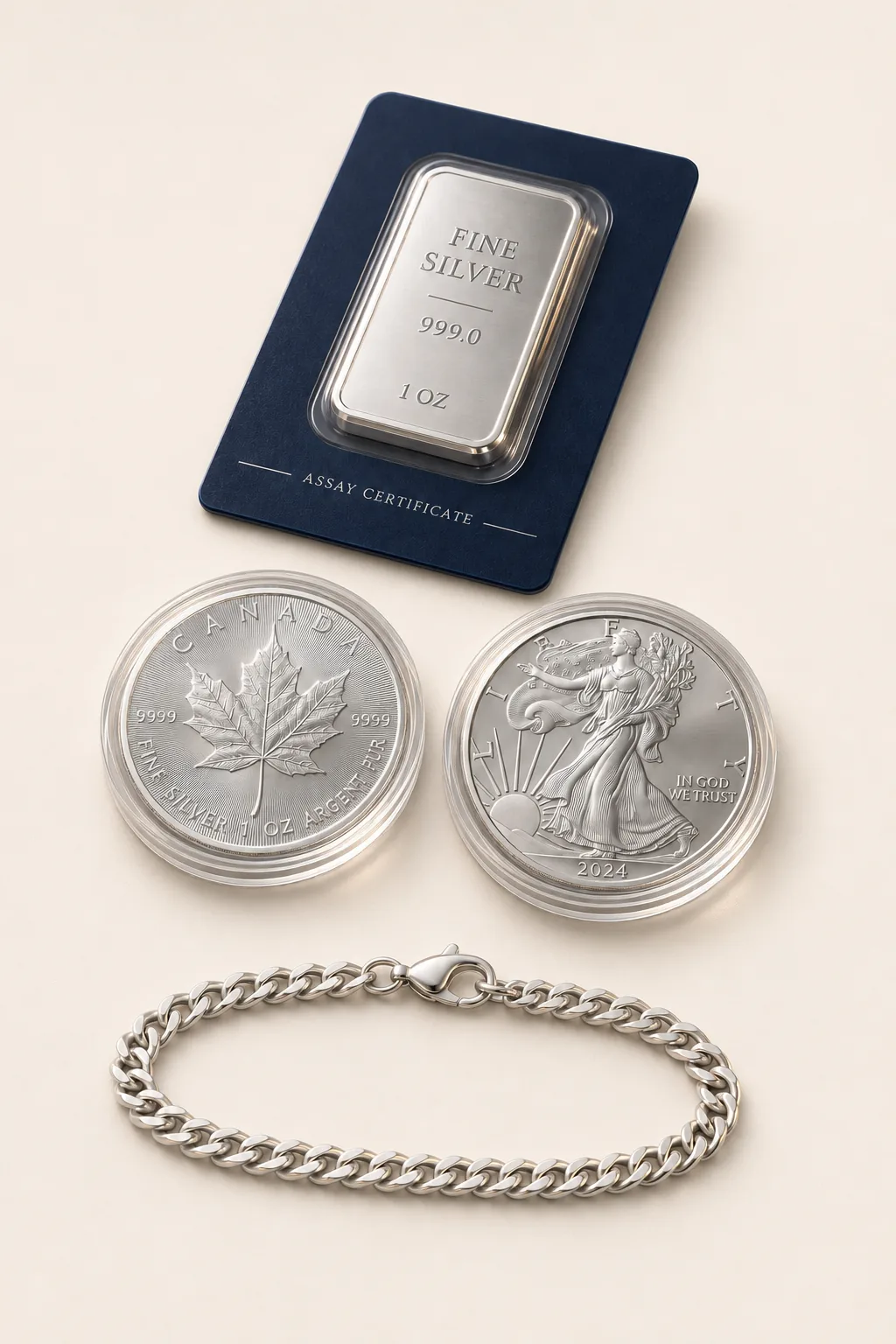
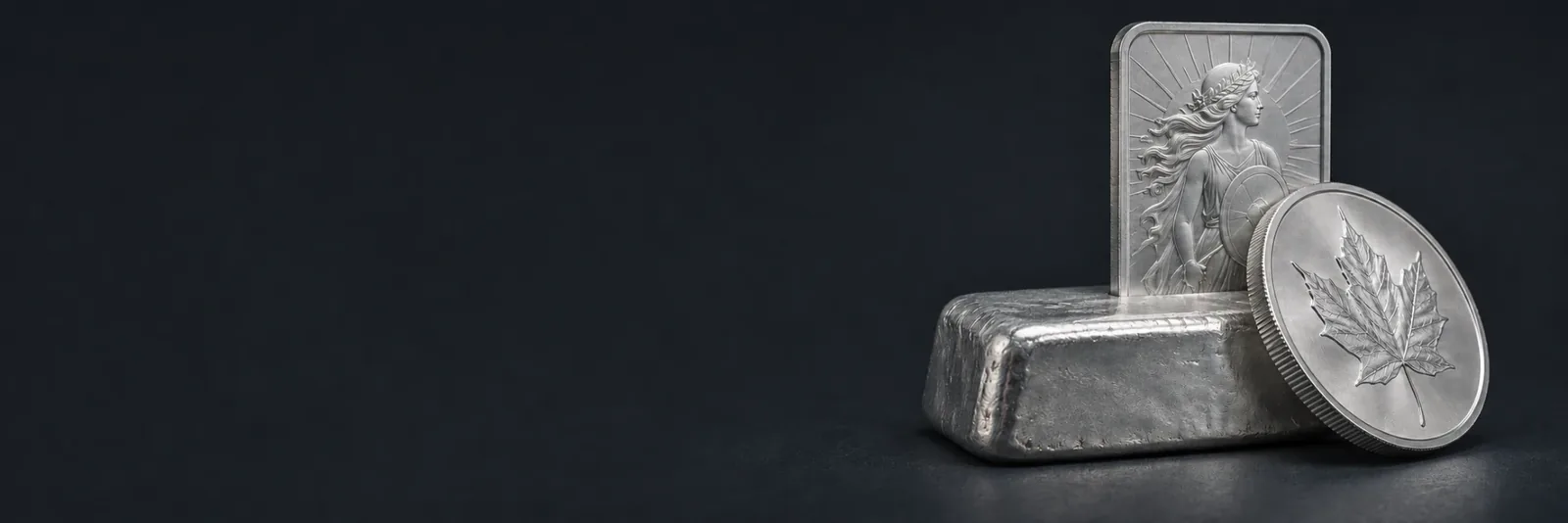
Silver bars and coins can differ substantially in their premium, and format, manufacturer and quantity all affect the price.
A larger silver purchase is bulky, so storage, collection and delivery costs belong in the comparison. Silver jewellery may also include stones or other components.
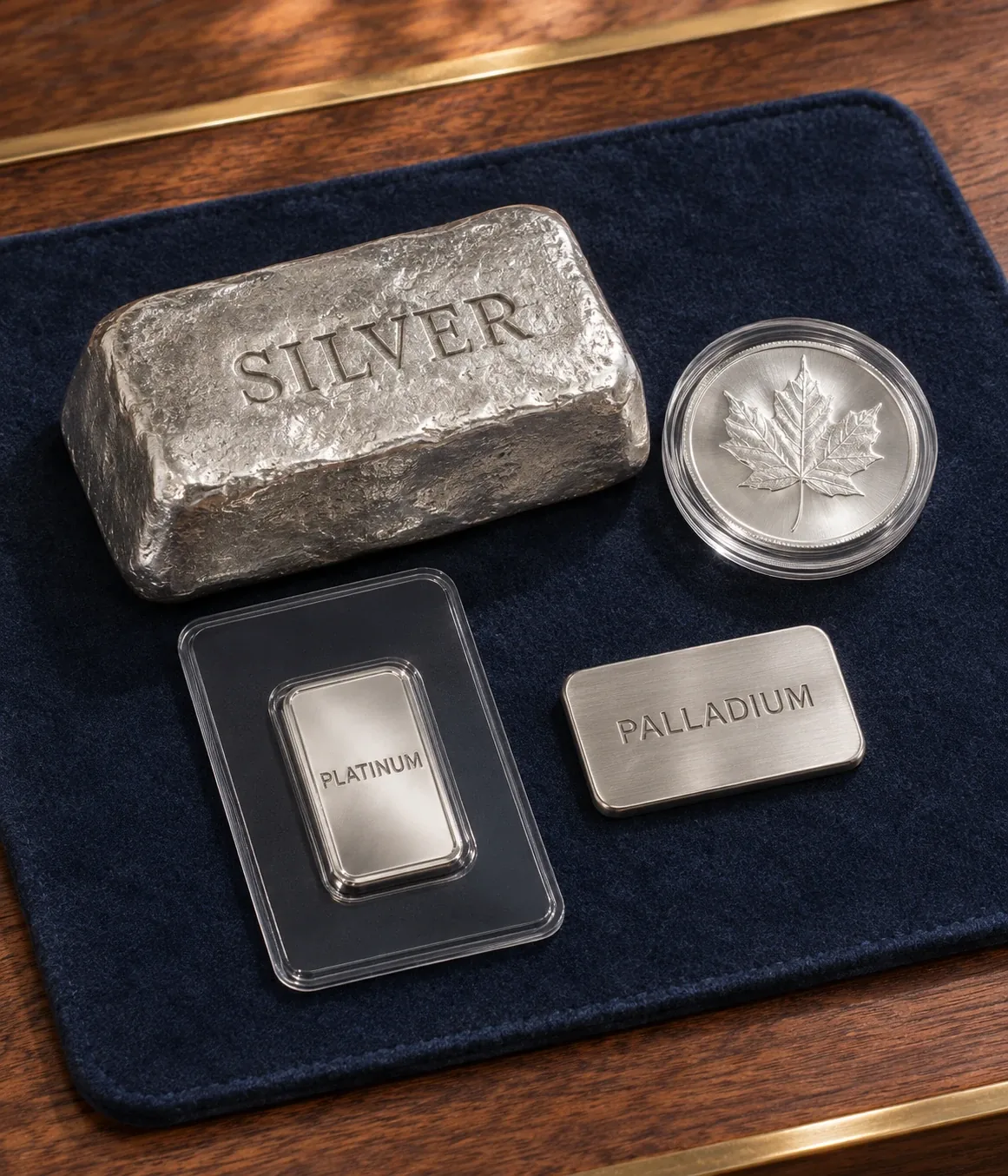
Platinum and palladium are used in bullion, jewellery and industry, but they have separate markets, and their prices do not necessarily move together or follow gold and silver.
Identify the exact metal first, then its weight, purity and format. A platinum bar and a palladium bar of the same weight are different products.
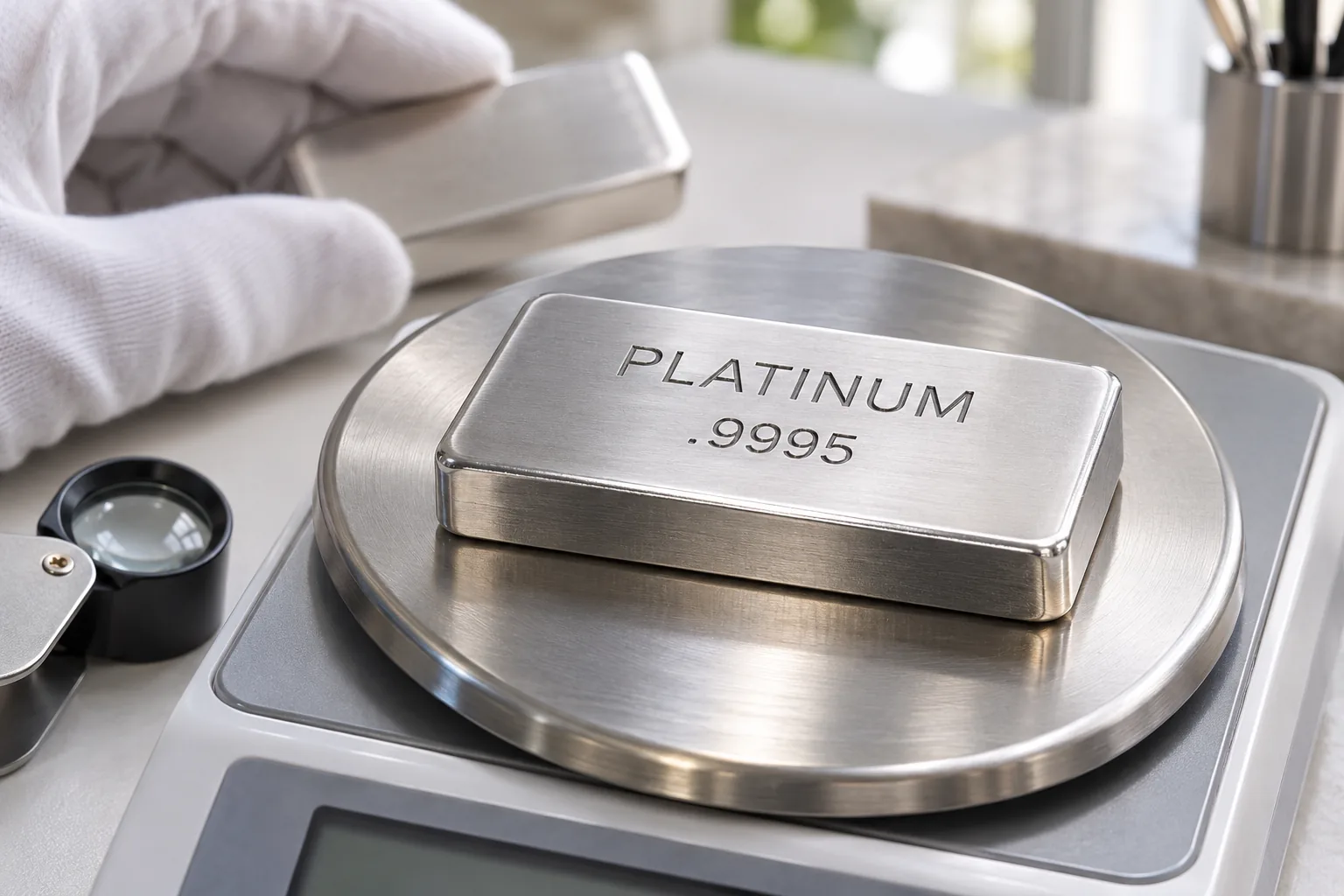
Prices are quoted per troy ounce, about 31.1 grams, while jewellery is often weighed in grams.
For example, 20 grams of 18K gold alloy contains 15 grams of gold. If a bullion product already states its fine-metal content, use that figure directly.
Spot price is a market reference for the metal; a product’s premium is the amount above it. Canadian-dollar prices also move with the USD/CAD exchange rate. A price comparison should establish:
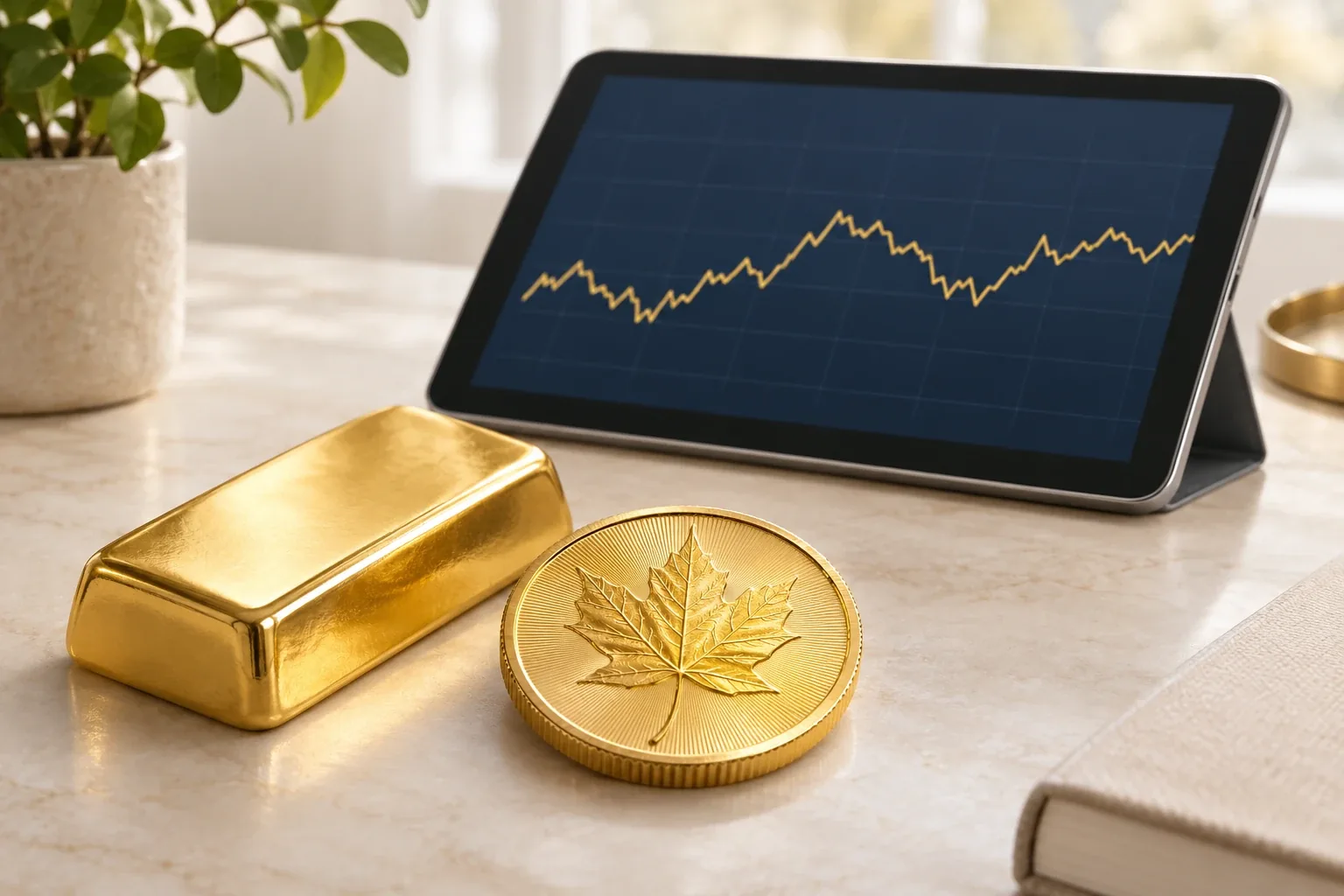
A dealer’s selling price is what you pay to buy; its buying price is what it offers for your item. The difference is commonly called the spread, and premiums paid at purchase are not necessarily recovered at resale.
Compare selling offers by the final amount you would receive, and purchases by the complete cost for equivalent products.
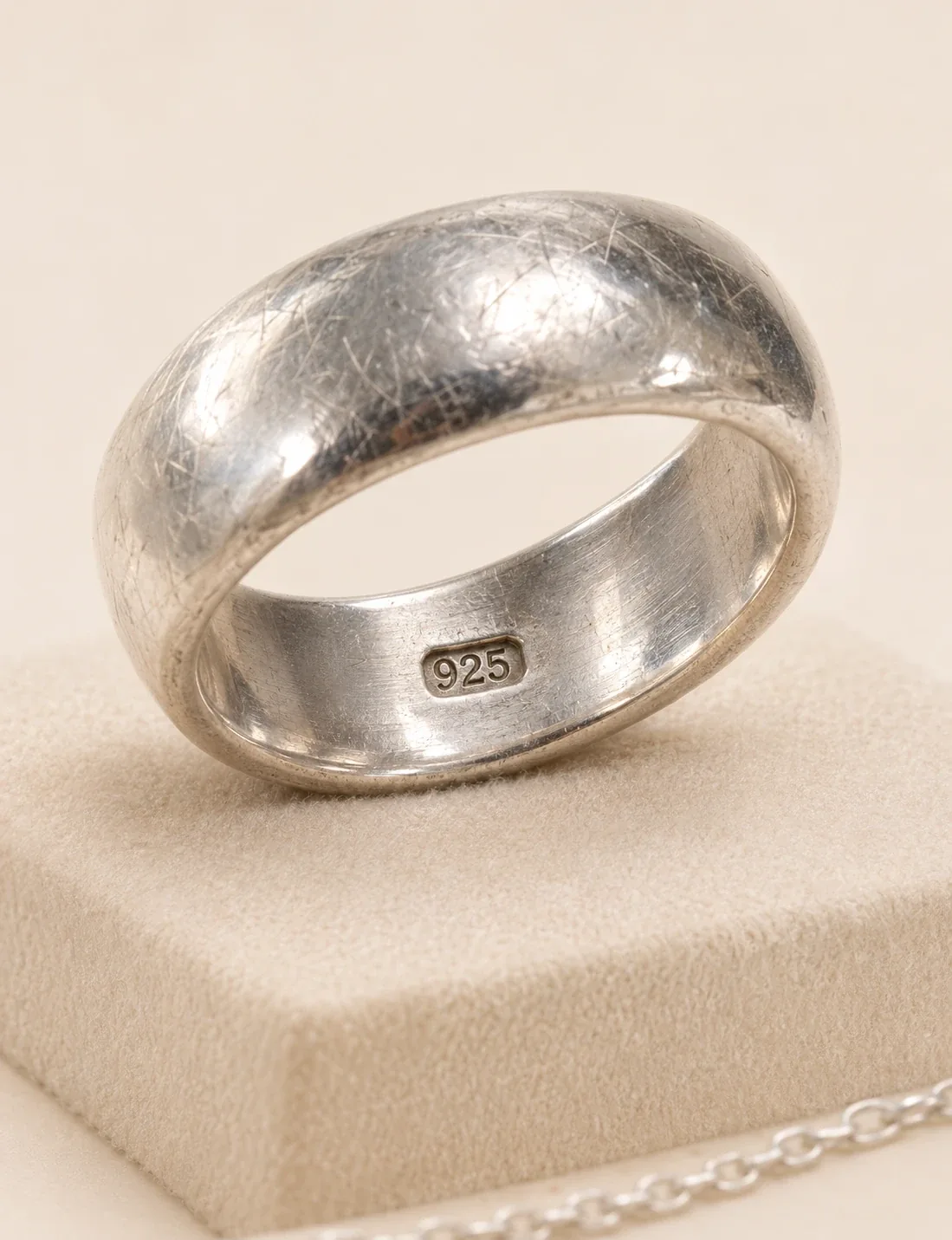
A hallmark or fineness stamp is a useful starting point, but it does not establish authenticity on its own. Certificates, assay cards and packaging help identify a product without guaranteeing it.
Prices far below comparable products, pressure to pay immediately and reluctance to answer questions deserve closer attention.
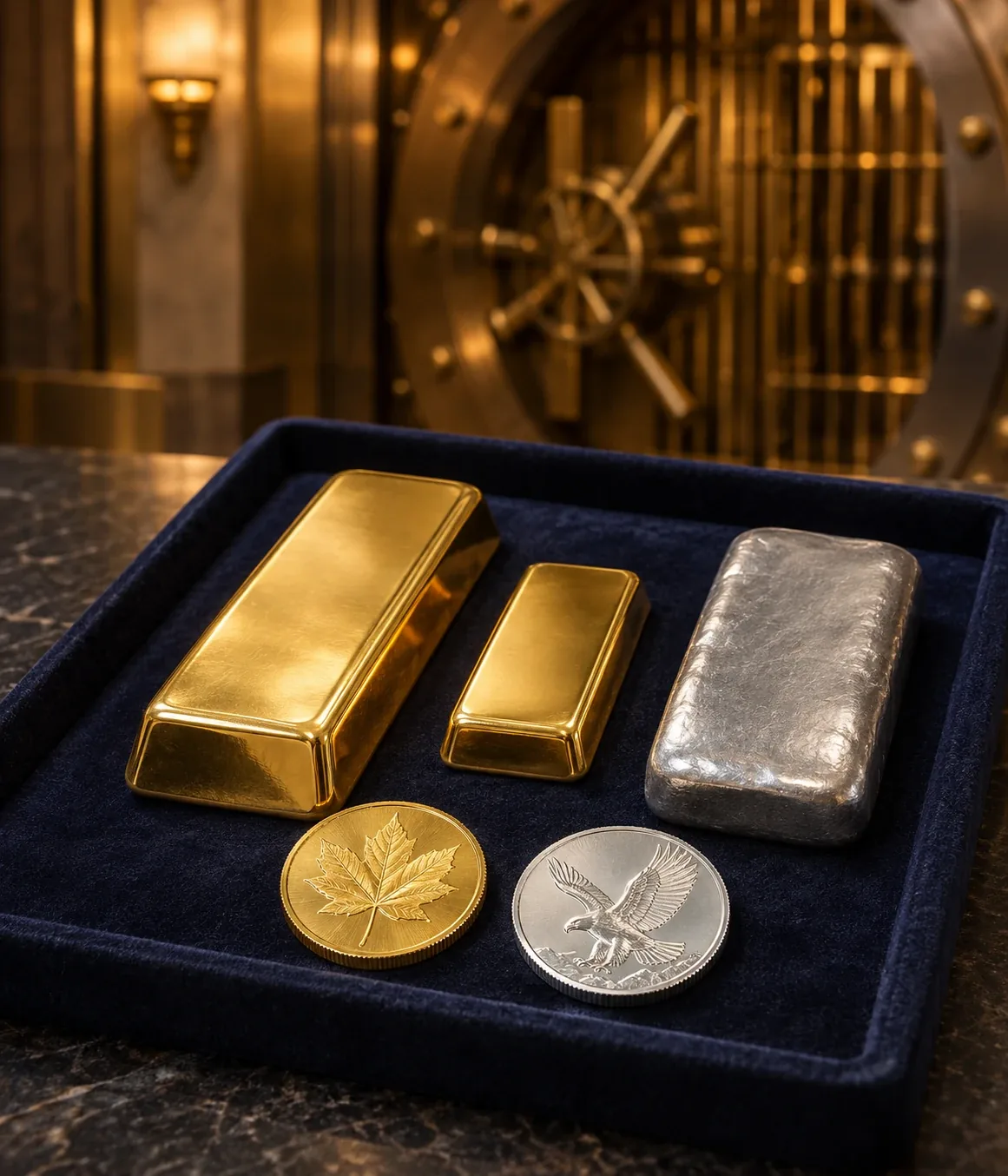
Before buying, consider where you will keep the metal, how you will access it and whether your insurance covers it. Keep invoices and product information together.
Several smaller units let you sell individual pieces later, although their combined cost may differ from one larger product.
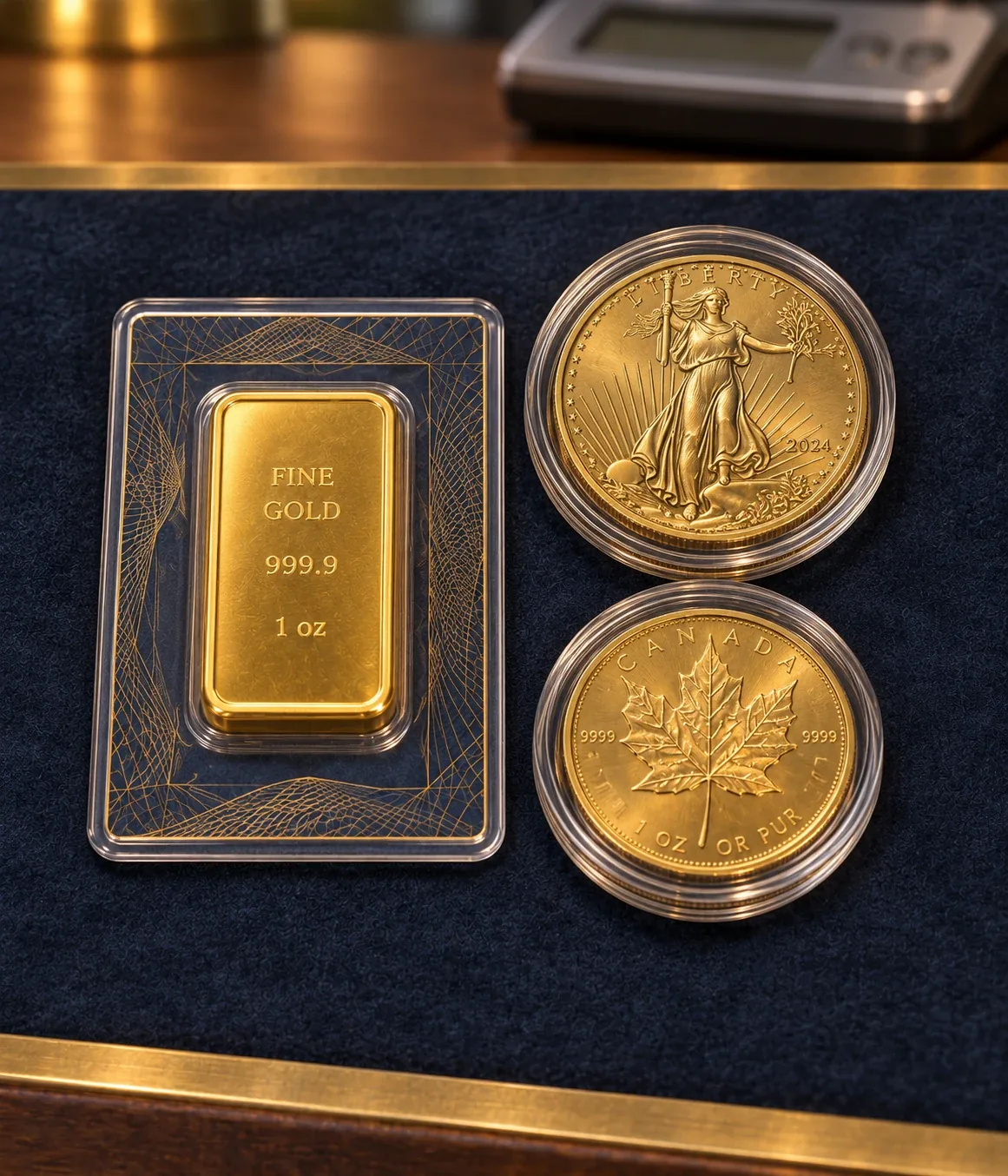
GST/HST depends on more than the metal. Qualifying bars, ingots, coins and wafers need at least 99.5% purity for gold and platinum and 99.9% for silver, plus requirements on form and recognition.
Jewellery, lower-purity products and palladium can be treated differently, so check the exact product.
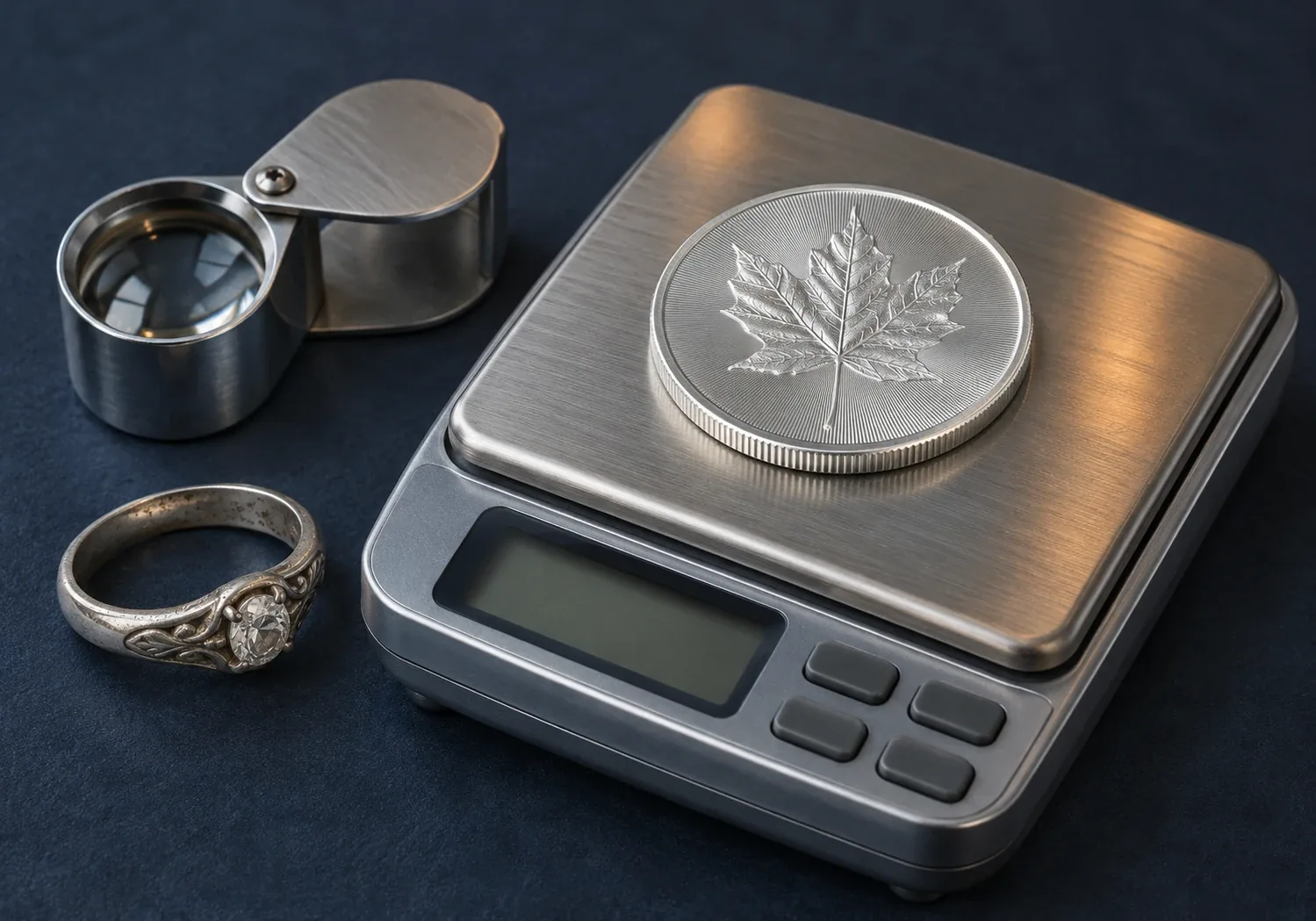
Measurement Canada requires scales used for precious-metal transactions to be approved, inspected and accurate for precious metals.
The complete item, its metal-bearing portion and its fine-metal content are different figures, which matters most for jewellery with stones.
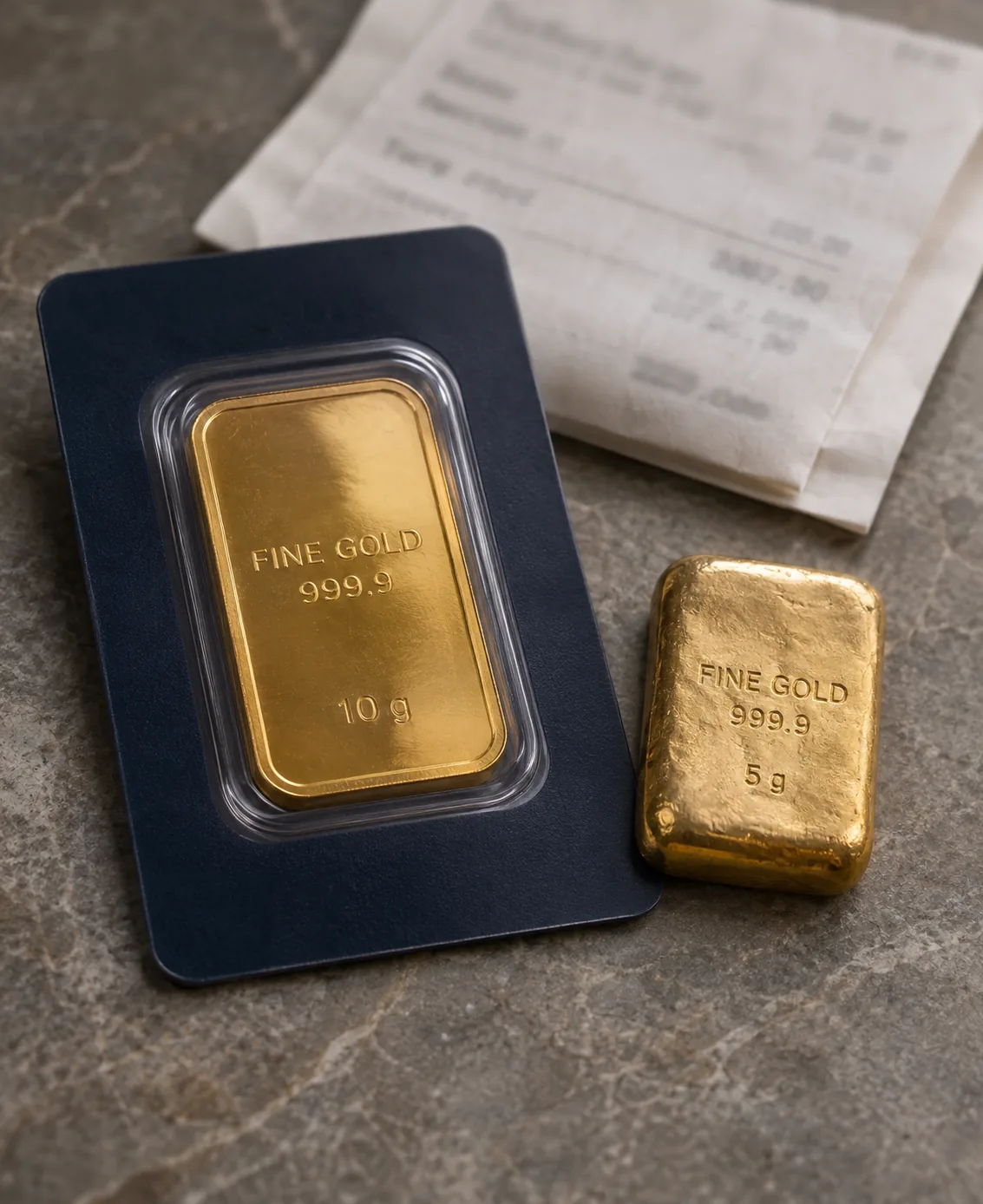
Keep purchase and sale records even if you plan to hold bullion for years, as a sale may have tax-reporting consequences. A tax professional can explain your situation.
24 Gold does not set up or administer RRSPs or TFSAs, or arrange bullion purchases through those accounts. Ask your plan provider about eligible products before buying.
The preparation depends on what you intend to do.
Compare equivalent products and their full cost. Establish the product’s availability, payment arrangements and collection or delivery terms.
Gather its weight, markings and product details where known. Find out how purity, non-metal components and any deductions will be handled.
Describe the material before sending it. Establish acceptance, assessment stages, charges, shipping responsibilities and settlement terms.
Call our Toronto trading floor with the product name or a description of your item. We’ll help with buying, selling or refining.
 24 Gold Group Ltd.
 Business hours:
 Phone:
 Email:

 Call the Trading Floor