
Gold prices play an important role in global financial markets and are influenced by factors such as inflation trends, interest rate expectations, currency movements, and geopolitical conditions.
For Canadian investors, including those working with 24 Gold Group Ltd., understanding how these factors interact is more useful than trying to predict exact price levels. As 2026 approaches, gold continues to attract attention as a potential store of value during periods of economic uncertainty.
Rather than focusing on specific price targets, it is more practical to understand the conditions that historically influence gold prices and how they may affect the Canadian market.
Genuine Expectations for the Canadian Gold Market
Each year brings a mix of economic and global factors that influence gold prices In Canada, these trends tend to reflect broader international conditions rather than local pricing alone.
Price outlook
Gold prices are shaped by market sentiment, global supply and demand, and expectations around inflation and interest rates. While prices can fluctuate in the short term, gold has historically maintained its role as a long-term store of value rather than a short-term speculative asset.
Global demand
Demand from investors, central banks, and industrial users continues to influence gold prices worldwide. During periods of economic or geopolitical uncertainty, gold demand often increases as investors look for assets perceived as more stable.
Monetary conditions
Gold prices often respond to changes in monetary policy expectations. When inflation concerns rise or when interest rate increases slow or reverse, gold has historically received additional attention from investors seeking diversification.
Key Drivers Affecting Gold Prices in 2026
Several well-established factors are expected to continue influencing gold prices as 2026 unfolds.
Inflation
Gold has traditionally been viewed as a hedge against inflation. When purchasing power declines, investors often look to assets like gold that have historically retained value over long periods.
Interest rates
Interest rate expectations play a significant role in gold pricing. Rising interest rates can place short-term pressure on gold, while stable or declining rate expectations have historically supported demand.
Global uncertainty
Ongoing geopolitical tensions, economic slowdowns, or financial market volatility can increase interest in gold. In such environments, gold is often viewed as a defensive asset rather than a growth-driven investment.
These factors influence gold prices globally and are reflected in the Canadian market through international pricing and currency movements, especially among Canadian bullion dealers.
Popular Gold Investment Options to Consider
Canadian investors have several ways to gain exposure to gold, depending on their objectives and risk tolerance.
Physical gold
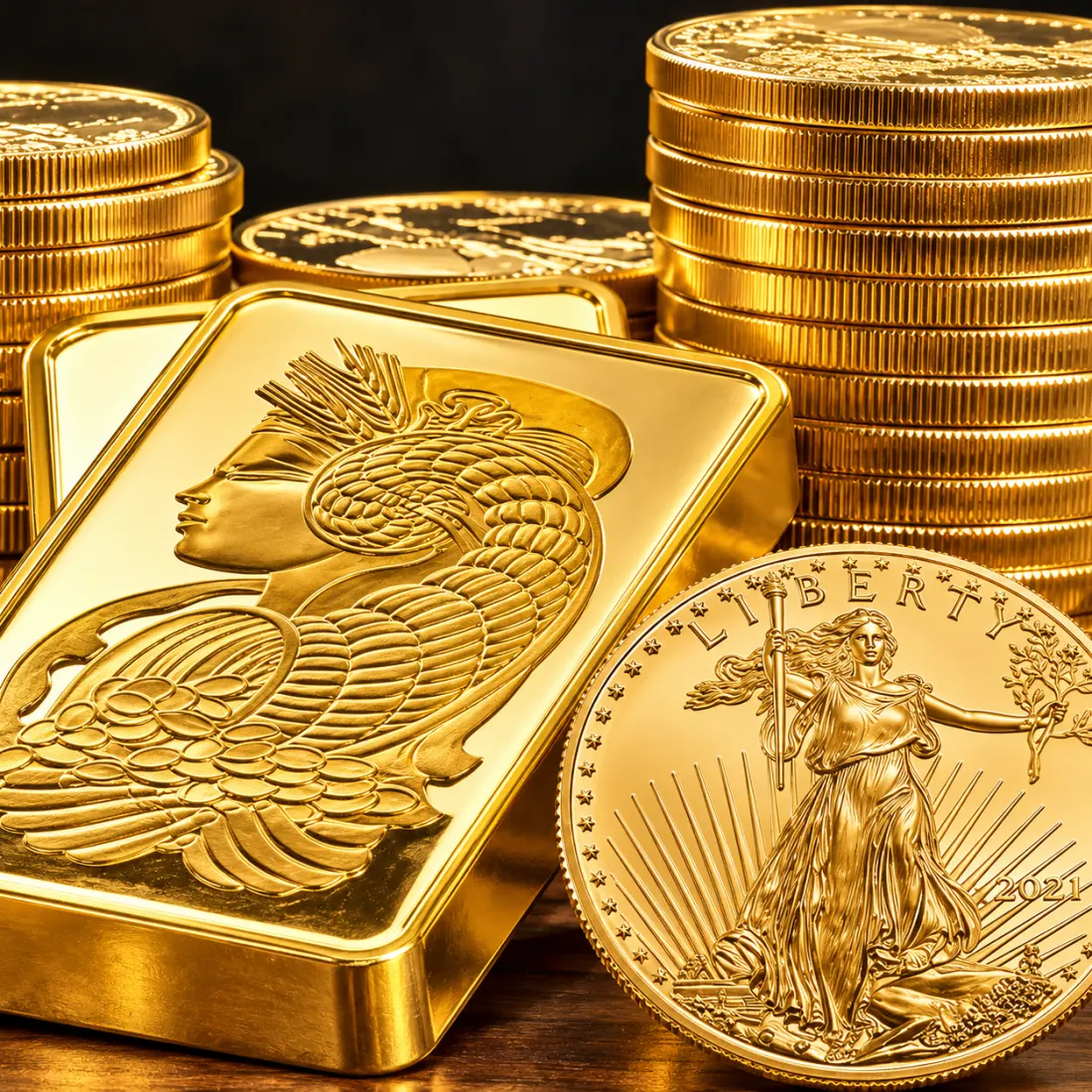
Physical gold, such as coins or bars, offers direct ownership. Investors should consider factors like secure storage, insurance, and liquidity when choosing this option.
Gold-related exchange-traded products
Some investors choose gold exposure through exchange-traded products that track gold prices. These products offer liquidity and ease of access but do not involve direct physical ownership.
Other structured gold investments
Certain gold-related investment products may be available through financial institutions. Eligibility, tax treatment, and structure can vary, so it is important to review product details carefully.

 24 Gold Group Ltd.
 Business hours:
 Phone:
 Email: