
If you are looking for a Toronto bullion dealer to buy gold or silver, you may assume that a legitimate dealer must hold a specific government certification. In reality, there is no single certification that automatically proves a bullion dealer is legitimate in Canada.
Instead, smart bullion buyers should look at a combination of regulatory compliance, industry relationships, product authentication, sourcing, business history, pricing transparency, and customer service.
This is particularly important when purchasing physical gold or silver, where authenticity and pricing can have a significant impact on the value of your investment.
Whether you are a first-time buyer or an experienced precious-metals investor, knowing what credentials and practices to look for can help you choose a reputable bullion dealer in Toronto with greater confidence.
Is There a Government Certification for Bullion Dealers in Canada?
There is no universal Canadian government certification that guarantees a bullion dealer is legitimate.
However, some precious-metals businesses are subject to regulatory requirements that are important to understand.
For example, dealers in precious metals and precious stones can be subject to Canada's anti-money-laundering and anti-terrorist-financing requirements and may have obligations administered by the Financial Transactions and Reports Analysis Centre of Canada (FINTRAC).
It is important not to confuse regulatory compliance with certification.
FINTRAC does not certify a dealer's product quality, pricing, or reputation. Instead, applicable businesses must comply with requirements relating to areas such as client identification, record keeping, compliance programmes, and certain transaction reporting obligations.
Therefore, when researching a gold dealer in Toronto, FINTRAC-related compliance should be viewed as one part of your due diligence rather than a government endorsement.
What Credentials Should You Look for in a Toronto Bullion Dealer?
Rather than searching for one specific certificate, consider several indicators that can help you assess a dealer.
1. FINTRAC Compliance
For businesses that fall within FINTRAC's regulatory requirements, compliance with Canada's anti-money-laundering framework is an important consideration.
Depending on the circumstances, applicable businesses may have obligations concerning:
- Customer identification
- Transaction records
- Large cash transactions
- Suspicious transactions
- Compliance policies and procedures
- Record retention
This does not tell you whether a dealer offers competitive prices or whether a particular gold bar is suitable for your investment goals.
However, understanding the dealer's regulatory obligations can provide useful insight into how the business operates.
When choosing a Toronto bullion dealer, ask questions if you are unsure about identification or reporting requirements for your transaction.
2. Royal Canadian Mint Dealer Programmes
The Royal Canadian Mint is an important source of Canadian bullion products, including Gold Maple Leaf and Silver Maple Leaf coins.
The Mint operates a BULLION DNA™ Dealer Program for eligible dealers. The programme provides participating dealers with technology that can help authenticate certain Gold Maple Leaf and Silver Maple Leaf bullion coins. The Mint also maintains a list of BULLION DNA™ dealers.
This type of relationship can be useful when evaluating a dealer, particularly if you are purchasing eligible Royal Canadian Mint bullion products.
However, it should still be considered alongside other factors.
A dealer's participation in a particular programme does not mean you should stop comparing pricing, policies, product availability, and other aspects of the business.
3. Recognised Industry Memberships
Membership in a recognised precious-metals, numismatic, or related industry organisation can be another factor to consider.
Industry memberships may indicate that a company participates in a professional network and follows certain organisational standards.
However, membership alone does not guarantee that a dealer is right for you.
When a dealer advertises an association membership, find out:
- Which organisation issued the membership?
- Is the membership current?
- What standards does the organisation maintain?
- Can the membership be independently verified?
- Does the membership relate to bullion dealing specifically?
The goal is to understand what the credential actually means rather than simply counting the number of logos displayed on a website.
4. Established Relationships With Mints, Refineries and Suppliers
A reputable bullion dealer should have a clear and reliable supply chain.
Ask where the dealer sources its products and whether it works with established:
- Government mints
- Private mints
- Refineries
- Bullion distributors
- Wholesalers
- Precious-metals suppliers
The Royal Canadian Mint's BULLION DNA™ Dealer Program, for example, requires eligible dealers to have an established relationship with a bullion distributor to whom the Mint sells bullion products.
A dealer with established supply relationships can provide additional transparency about where its bullion comes from.
This is particularly important when purchasing larger quantities of gold bullion in Toronto.
5. Product Authentication and Testing
A certification is only one part of the picture. A dealer should also have appropriate processes for verifying precious metals.
Depending on the product, authentication may involve:
- Weight verification
- Measurement of dimensions
- Visual inspection
- Magnetic testing
- Electronic testing
- X-ray fluorescence (XRF) analysis
- Verification of mint or refinery features
- Assay documentation where applicable
Different bullion products require different authentication methods.
For example, the Royal Canadian Mint's BULLION DNA™ system allows approved dealers to authenticate eligible Gold Maple Leaf and Silver Maple Leaf coins using registered anti-counterfeiting technology.
When comparing bullion dealers in Toronto, ask how they authenticate the gold and silver products they buy and sell.
6. Assay Certificates and Product Documentation
Depending on the bullion product, you may receive documentation confirming information such as:
- Weight
- Purity
- Manufacturer or mint
- Product type
- Serial number
- Assay details
An assay certificate can be particularly relevant for certain gold bars and other products.
However, not every legitimate bullion product comes with a separate individual certificate.
For example, some government-minted bullion coins rely on recognised specifications, security features, and authentication systems rather than an individual assay certificate.
The important question is not simply whether a certificate exists. Instead, consider the product, manufacturer, packaging, documentation, and dealer's authentication procedures together.
7. Transparent Bullion Pricing
A legitimate dealer should make its pricing understandable.
Before purchasing gold or silver, find out:
- What is the current spot price?
- What premium is being charged?
- Are there additional fees?
- What is the total purchase price?
- What is the dealer's buyback price?
- Are shipping or delivery charges applicable?
- Are there minimum purchase requirements?
Gold and silver prices fluctuate with financial markets, so the price you see today may not be the same tomorrow.
A professional gold dealer in Toronto should be able to explain how its bullion pricing is determined.
Avoid making a decision based solely on advertisements claiming the lowest price or highest return. Instead, compare the total cost and terms between established dealers.
8. A Clear Buyback Policy
One factor investors sometimes overlook is what happens when they eventually want to sell their bullion.
Before buying, ask whether the dealer buys back the products it sells.
A clear buyback policy can help you understand:
- How buyback prices are determined
- Which products the dealer purchases
- Whether the dealer buys bullion from other sources
- How the transaction is evaluated
- What identification may be required
- How payment is made
The difference between the price at which a dealer sells bullion and the price at which it buys bullion is part of the overall cost of trading precious metals.
Understanding this spread before purchasing can help you make a more informed decision.
9. Established Business History
A dealer's operating history can provide valuable context.
Look at:
- How long the company has been operating
- Whether it has a physical location
- Whether its contact information is clearly available
- Whether it has an established customer base
- Whether its business information is consistent across its website and other sources
For example, 24 Gold Group Ltd. states that its history in the precious-metals industry dates back to 1987 and operates from a Toronto location.
Longevity does not automatically make a business legitimate, but an established history can be one useful factor when comparing local bullion dealers.
10. Secure Purchasing and Delivery Procedures
If you are purchasing physical bullion, security should also be part of your evaluation.
Ask how the dealer handles:
- Order confirmation
- Payment
- Packaging
- Shipping
- Insurance
- Delivery confirmation
- In-person collection
For example, 24 Gold Group Ltd. states that its bullion shipments are insured and require a signature upon delivery.
Understanding these procedures before placing an order can help you avoid surprises later.
What Certifications Matter When Buying Gold Bullion in Toronto?
If you are specifically interested in gold bullion in Toronto, consider the following checklist:
Regulatory compliance
Determine whether the business is subject to applicable FINTRAC requirements and understand how it handles relevant compliance obligations.
Mint or refinery relationships
Look for products sourced from recognised mints, refineries, or established distributors.
Authentication procedures
Ask how the dealer verifies the authenticity and purity of bullion.
Industry credentials
Check whether claimed memberships or dealer programmes are current and independently verifiable.
Transparent pricing
Compare premiums, fees, and buyback prices rather than focusing only on the advertised spot price.
Business history
Look for a clearly established business with verifiable contact and location information.
Customer policies
Review payment, delivery, return, and buyback policies before completing a significant purchase.
Taken together, these factors provide a much better picture than a single certification ever could.
How to Verify a Toronto Bullion Dealer Before Buying
Before purchasing a significant amount of gold or silver, spend a few minutes researching the dealer.
Check Official Sources
If the dealer claims to participate in a mint programme or industry association, verify the claim through the organisation's official website.
The Royal Canadian Mint, for example, provides a dealer directory for BULLION DNA™ dealers.
Compare Several Dealers
Don't make your decision based on the first price you find.
Compare:
- Product prices
- Premiums
- Buyback rates
- Payment methods
- Delivery charges
- Product availability
Ask About Authentication
A professional dealer should be able to explain how it verifies bullion.
Read the Fine Print
Review the dealer's terms and conditions before completing the transaction.
Research Customer Feedback
Reviews can provide useful information about customer experiences, but don't rely on star ratings alone. Look for recurring themes in customer feedback.
Questions to Ask a Toronto Bullion Dealer
If you are new to precious-metals investing, these questions can help you evaluate a dealer:
1. Where do you source your bullion?
2. Which mints and refineries do you work with?
3. How do you authenticate your gold and silver?
4. Do you participate in any recognised dealer programmes?
5. Are you subject to applicable FINTRAC requirements?
6. What premium am I paying over the spot price?
7. Are there additional fees?
8. What is your current buyback policy?
9. What documentation comes with the product?
10. How is my bullion shipped or delivered?
A dealer that provides clear answers can make the buying process much easier for both new and experienced investors.
Why Choose a Local Bullion Dealer in Toronto?
Buying bullion from a local dealer can be particularly useful if you prefer face-to-face service.
A Toronto-based bullion dealer may allow you to:
- Discuss products in person
- Ask questions directly
- Review available bullion options
- Understand pricing and premiums
- Discuss buying and selling requirements
- Build an ongoing relationship with a local precious-metals business
This can be valuable if you plan to purchase bullion more than once or eventually sell part of your holdings.
For investors in Toronto and surrounding areas, choosing a local dealer also makes it easier to research the company's physical presence and customer service.
Why Consider 24 Gold Group Ltd. for Bullion in Toronto?
When researching a Toronto bullion dealer, 24 Gold Group Ltd. is a local precious-metals business that offers gold, silver, platinum and palladium bullion products.
The company's website lists bullion products from recognised mints, refineries, banks, and precious-metals brands, including the Royal Canadian Mint, Perth Mint, United States Mint, Johnson Matthey, PAMP Swiss, Valcambi Swiss, Heraeus, Metalor and others.
24 Gold Group Ltd. also provides precious-metals refining services and states that its refining process includes X-ray fluorescence testing to assess purity after processing.
For customers comparing bullion dealers in Toronto, these are useful factors to consider alongside pricing, product availability, transaction policies, and personal service.
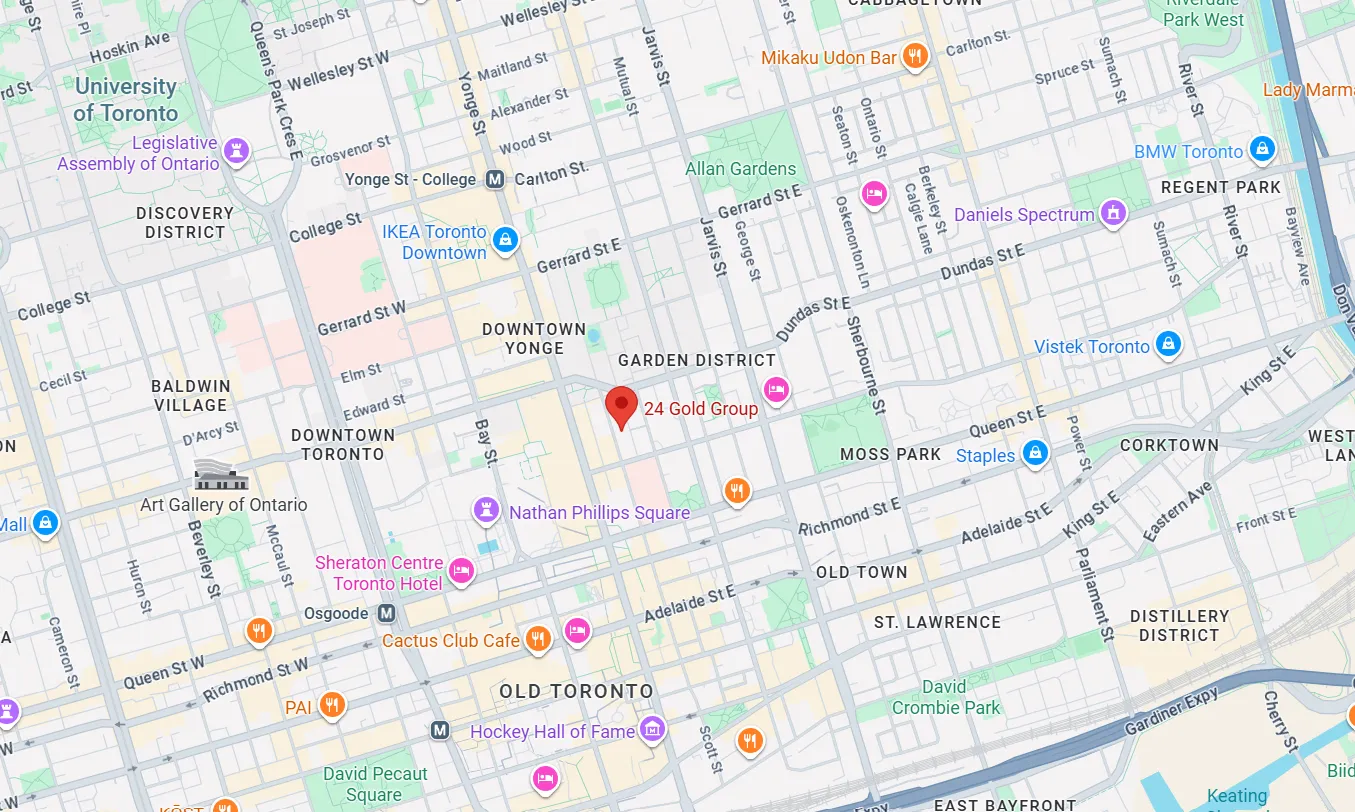
The company is located at 221 Victoria Street, Suite 312, Toronto, Ontario, providing an option for customers who prefer dealing with a local precious-metals business.
Red Flags to Watch for When Choosing a Bullion Dealer
Credentials are useful, but warning signs are equally important.
Be cautious if a dealer:
- Promises guaranteed investment returns
- Pressures you to buy immediately
- Cannot explain its pricing
- Has unclear fees
- Makes unverifiable certification claims
- Cannot explain where its bullion comes from
- Has no clear buyback policy
- Refuses to explain its authentication process
- Provides limited business information
- Makes unusually aggressive claims about future gold prices
One warning sign does not necessarily prove that a business is illegitimate. However, multiple concerns should encourage you to conduct additional research before investing.
Frequently Asked Questions
What certification should a legitimate Toronto bullion dealer have?
There is no single universal certification that automatically proves a bullion dealer is legitimate. Look at regulatory compliance, recognised industry relationships, sourcing, authentication procedures, business history, pricing transparency, and customer policies.
Is FINTRAC a certification for bullion dealers?
No. FINTRAC is Canada's financial intelligence unit and regulator for businesses subject to its framework. FINTRAC compliance should not be described as a certification or government endorsement.
Does a Royal Canadian Mint relationship prove a dealer is legitimate?
A recognised Mint dealer programme can be a useful credential, but it should be considered alongside other factors such as pricing, authentication, business history, and customer policies.
How can I verify a bullion dealer's certification?
Ask the dealer which organisation issued the credential and what it represents. Then, where possible, verify the claim directly through the issuing organisation's official website.
What should I check before buying gold bullion in Toronto?
Check the bullion's weight and purity, manufacturer or mint, authenticity, price premium, documentation, dealer reputation, payment terms, and buyback policy.
Is buying bullion from a Toronto dealer better than buying online?
Neither option is automatically better. Consider the dealer's reputation, authentication procedures, pricing, security, delivery arrangements, customer service, and buyback policy. A local dealer may be preferable if you value in-person service.
What gold and silver products can I buy from 24 Gold Group Ltd.?
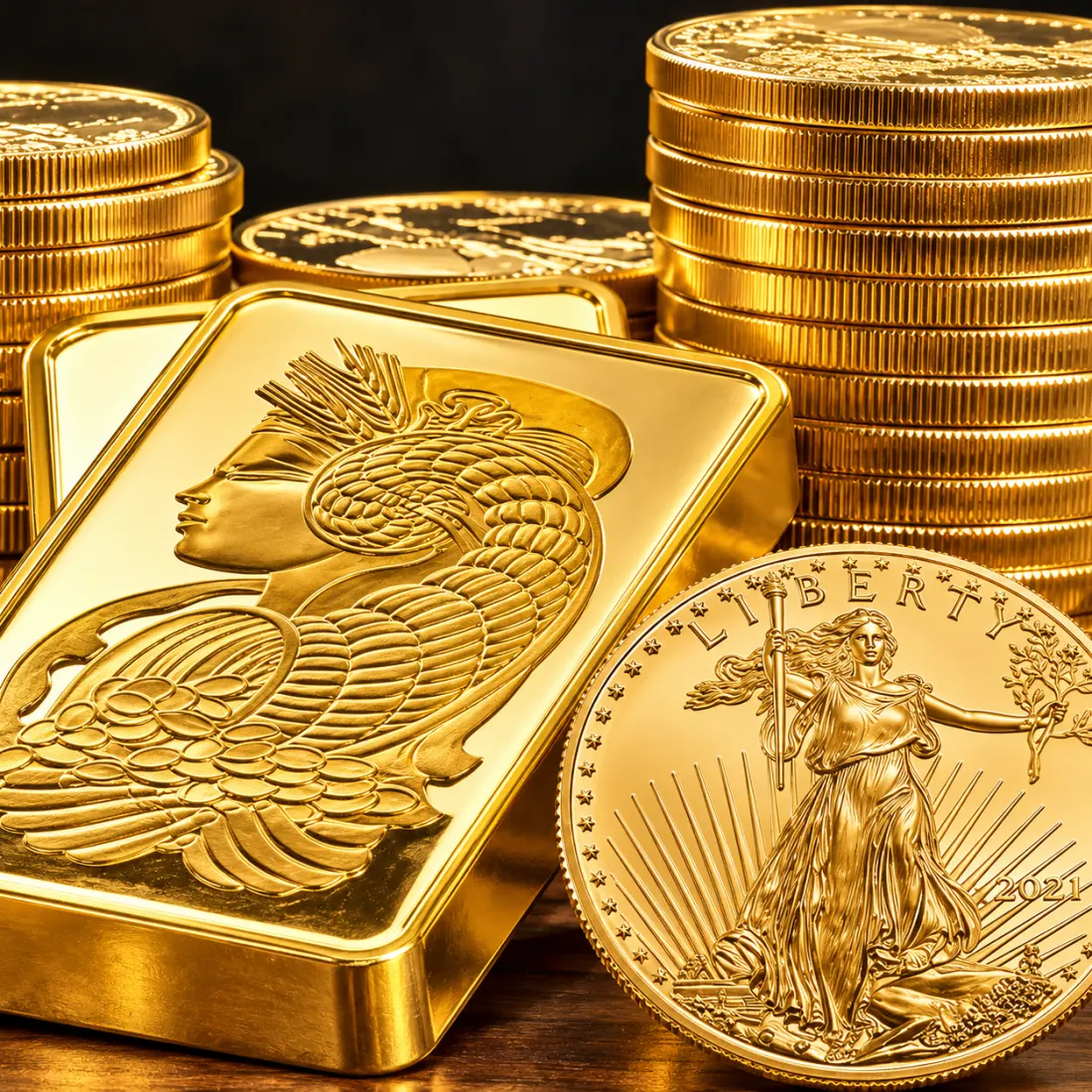
24 Gold Group Ltd. lists gold, silver, platinum and palladium bullion products, including bars and coins. Product availability and pricing can vary based on market conditions and inventory.
Make an Informed Choice When Buying Bullion in Toronto
Choosing a legitimate Toronto bullion dealer is about more than finding a certificate or a logo on a website.
The strongest approach is to evaluate the entire business: regulatory compliance, sourcing, authentication, industry relationships, pricing, business history, buyback policies, and customer service.
If a dealer claims to hold a particular certification or participate in a recognised programme, take the extra step of verifying what that credential actually means.
For Toronto investors considering physical gold or silver, 24 Gold Group Ltd. provides a local option for buying and selling precious metals, with bullion products and precious-metals services available through its Toronto operation.
Whether you are purchasing your first gold coin or adding bullion to an established portfolio, doing your research before the transaction can help you make a more informed decision.

 24 Gold Group Ltd.
 Business hours:
 Phone:
 Email: