

Gold has long been viewed as a store of value during periods of economic uncertainty. In Canada, gold prices are influenced primarily by global market trends, inflation expectations, interest rate policy, and currency movements.
For investors monitoring the Gold Bar Price Td Bank, bullion pricing, or wholesale refinery demand in Toronto, understanding these macroeconomic drivers is more useful than relying on speculative price targets.
As 2026 unfolds, inflation trends and interest rate policy remain two of the most important forces shaping gold prices across Canada.
The Relationship Between Inflation and Gold Prices
Inflation reduces purchasing power. When inflation remains elevated or uncertain, investors often seek assets that historically preserve value over time — including gold.
Gold is not income-producing, but it has traditionally been viewed as a long-term hedge against currency erosion. When inflation expectations rise:
● Retail bullion demand may increase
● Institutional allocation to gold may expand
● Refinery activity and Scrap Gold Refining volumes may rise
However, gold does not move based on inflation alone. Its performance depends on how inflation interacts with interest rates and broader economic stability.
How Interest Rates Influence Gold Demand
Interest rates directly affect gold because gold does not generate yield.
● Rising interest rates increase the opportunity cost of holding gold
● Stable or falling rate expectations often support gold prices
In Canada, rate decisions by the Bank of Canada are based on inflation, employment, GDP, and financial stability — not gold prices.
Gold reflects economic conditions. It does not dictate monetary policy.
Markets typically price in expectations before formal rate decisions occur, which is why gold may move ahead of official announcements.
Global Factors Influencing Gold Prices in Canada
Gold is globally traded. Canadian pricing reflects international spot markets, adjusted for currency exchange.
Key influences in 2026 may include:
● Geopolitical uncertainty
● U.S. dollar strength or weakness
● Central bank gold purchasing
● Global economic slowdown risks
Because Toronto is a major bullion and refining hub, global pricing trends affect:
● Gold refinery Canada operations
● Scrap gold smelting volumes
● Jewellery refining demand
● Wholesale bullion flows
How Gold Refinery Activity Connects to Market Conditions
When gold prices rise or volatility increases, activity at a gold refinery Toronto location often increases.
This includes:
● Scrap gold refining from jewellery sellers
● Industrial gold recovery
● Bullion recasting
● Gold smelting in Canada for purity upgrades
Higher gold prices can lead to:
● Increased scrap gold smelting
● More individuals selling old jewellery
● Greater demand for transparent refinery pricing
In Toronto, where refining infrastructure supports both retail and wholesale markets, refinery throughput often reflects broader market sentiment.
Scrap Gold vs Investment Gold: Important Distinction
It is important not to confuse:
● Scrap gold prices
● Investment-grade bullion pricing
● Macroeconomic gold trends
Scrap gold refining values are derived from spot price, adjusted for:
● Karat purity
● Assay verification
● Refining cost
● Market demand
Investment-grade bullion pricing (such as tracking gold bar price TD Bank) includes premiums, distribution costs, and liquidity considerations.
While related, these markets operate differently.
Gold Prices and the Canadian Economy
Gold is a meaningful Canadian export and a key component of the mining sector. Price movements can influence:
● Mining investment
● Refinery output
● Employment in Ontario and Quebec
● Trade balances
However, gold price changes should be viewed as a reflection of global economic forces — not as a driver of central bank policy or domestic economic direction.
What This Means for Toronto Gold Buyers and Sellers
For individuals and businesses in Toronto:
● Inflation may increase interest in holding gold
● Rate stability may support price strength
● Volatility may increase refinery transactions
If you are selling scrap jewellery, evaluating bullion, or working with a gold smelter Toronto facility, understanding macro drivers helps set realistic expectations.
Transparent refining, clear assay methods, and accurate spot price linkage are essential in volatile markets.
Final Thoughts
Inflation and interest rate expectations are likely to remain primary influences on gold prices in 2026.
Rather than relying on unsupported forecasts, investors and sellers should focus on:
● Monetary policy direction
● Inflation expectations
● Currency movements
● Global risk sentiment
Gold remains widely followed in Canada due to its historical role as a store of value and its responsiveness to macroeconomic trends.
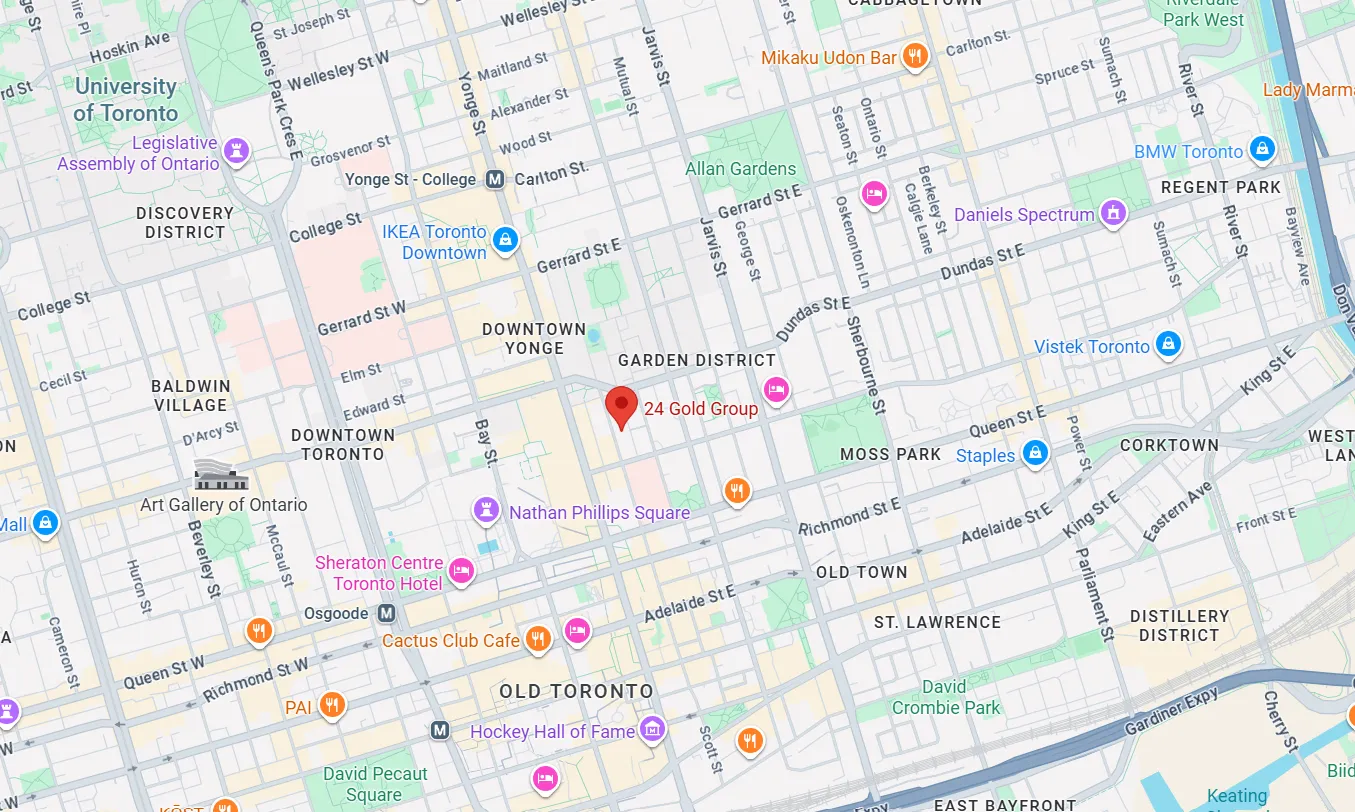
For those seeking professional insight into refinery processes, scrap gold refining, bullion pricing, or jewellery refining services in Toronto, established firms such as 24 Gold Group Ltd. provide market-based information grounded in current spot pricing without speculative projections.

 24 Gold Group Ltd.
 Business hours:
 Phone:
 Email: