

For decades, investors have often viewed gold as a safe-haven asset that can help offset stock market volatility. Traditionally, when stock markets decline, gold prices tend to remain stable or even rise as investors seek assets that may help preserve value during uncertain periods.
However, 2026 has introduced an unusual market trend. In several periods throughout the year, both gold prices and stock markets have experienced downward pressure at the same time. This rare market shift has left many investors wondering why two assets that often move differently are now falling together.
For investors in Toronto, North York, Scarborough, Etobicoke, Mississauga, and across Ontario, understanding the factors behind this market behaviour can provide valuable insight when evaluating precious metals and broader investment markets.
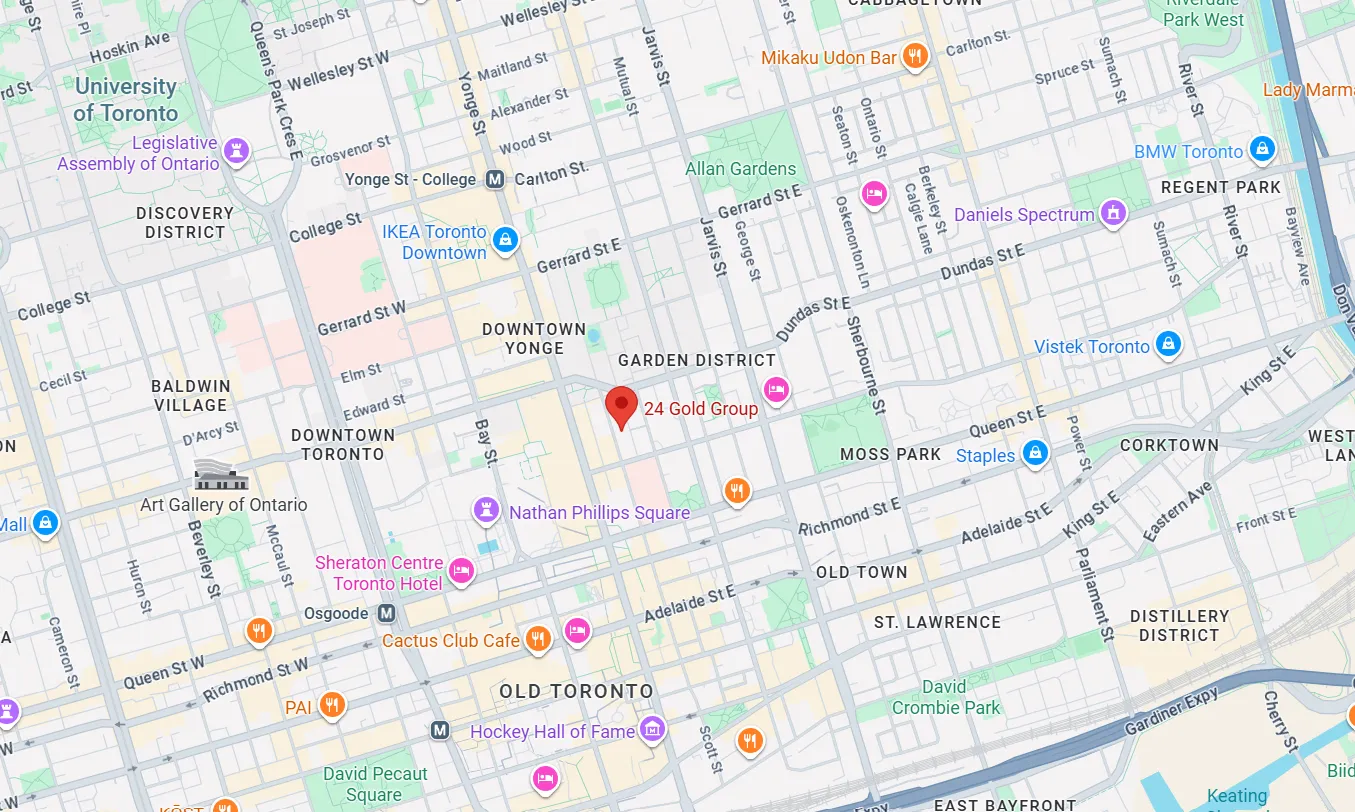
Many individuals follow market trends through trusted precious metals dealers such as 24 Gold Group Ltd., which helps investors stay informed about gold bullion markets, precious metals pricing, and long-term diversification opportunities.
The Traditional Relationship Between Gold and Stocks
Historically, gold and stocks have often moved in opposite directions.
When economic uncertainty increases:
- Investors may reduce exposure to stocks.
- Demand for gold may increase.
- Gold prices can strengthen.
During periods of economic growth:
- Stock markets often perform well.
- Investors may become more comfortable taking risk.
- Demand for defensive assets such as gold can weaken.
While this relationship is common, it is not guaranteed. Financial markets are influenced by many factors, and there have been periods throughout history when both gold and stocks moved in the same direction.
Why Are Gold Prices and Stocks Falling Together in 2026?
Several economic factors appear to be contributing to this unusual market environment.
Higher Interest Rates Continue to Pressure Markets
One of the biggest influences on both gold and equities is the current interest rate environment.
Higher interest rates can:
- increase borrowing costs
- reduce corporate profitability
- slow economic activity
- make fixed-income investments more attractive
Because gold does not generate interest or dividends, rising rates can reduce its appeal relative to interest-bearing assets.
At the same time, higher borrowing costs can place pressure on company earnings and stock valuations.
Investors Are Seeking Liquidity
During periods of uncertainty, investors sometimes sell multiple asset classes to increase cash holdings.
This can result in simultaneous declines across:
- stocks
- gold
- commodities
- exchange-traded funds
Rather than reflecting a lack of confidence in gold itself, this behaviour may indicate that investors are prioritizing liquidity and reducing overall market exposure.
Strong Currency Movements
Gold is typically priced in U.S. dollars.
When the U.S. dollar strengthens significantly:
- gold can become more expensive for international buyers
- global demand may soften
- gold prices may face downward pressure
Currency movements can therefore influence gold prices even when economic uncertainty remains elevated.
Economic Growth Concerns
Investors continue to monitor concerns surrounding:
- slowing economic growth
- consumer spending trends
- corporate earnings
- global trade activity
When uncertainty increases, investors may reduce exposure across multiple sectors and asset classes simultaneously, creating broad-based market weakness.
Market Positioning and Profit-Taking
Investor behaviour also plays an important role.
After periods of strong market performance, some investors choose to lock in gains through profit-taking.
This can affect:
- stock portfolios
- gold holdings
- precious metals funds
- commodity investments
When large numbers of investors sell at the same time, both stocks and gold may experience temporary declines.
Does This Mean Gold Has Lost Its Safe-Haven Status?
Not necessarily.
Gold has historically experienced periods where it temporarily moved in the same direction as stocks before eventually resuming its more traditional role during periods of uncertainty.
Many investors continue to view gold as a valuable component of a diversified portfolio because of its:
- long-term store of value characteristics
- global recognition
- limited supply
- historical role during economic uncertainty
However, like any asset, gold can experience short-term volatility.
Understanding Gold Market Trends in Toronto
For investors in Toronto and across Ontario, understanding why gold prices move is an important part of evaluating precious metals opportunities.
Many individuals work with 24 Gold Group Ltd. to stay informed about:
- gold bullion markets
- precious metals pricing
- gold investment products
- buying and selling opportunities
- market developments
Understanding the broader factors affecting gold prices can help investors make more informed decisions when navigating changing market conditions.
What Should Investors Watch Moving Forward?
Interest Rate Decisions
Central bank policies remain one of the most influential drivers of financial markets.
Inflation Trends
Changes in inflation expectations can influence both gold demand and stock market sentiment.
Economic Data
Employment reports, GDP growth figures, and consumer spending data can affect investor confidence.
Currency Strength
Movements in the U.S. dollar often influence precious metals pricing.
Global Events
Geopolitical developments and international trade issues can impact both gold and equity markets.
Buying Gold During Market Uncertainty
Periods of market volatility often encourage investors to learn more about precious metals and portfolio diversification.
While every investor's circumstances are different, many individuals in Toronto explore gold bullion as part of a broader approach to managing market uncertainty.
24 Gold Group Ltd. helps investors across the Greater Toronto Area by providing:
- Gold Bullion Bars
- gold coins
- precious metals guidance
- transparent pricing
- professional market knowledge
Working with experienced Precious Metals professionals can help investors better understand market conditions and available options.
Frequently Asked Questions
Why are gold prices falling in Toronto if markets are uncertain?
Gold prices are influenced by several factors, including interest rates, currency movements, investor sentiment, and global demand.
Isn't gold supposed to rise when stocks fall?
Gold often acts as a defensive asset, but market relationships can vary depending on economic conditions and investor behaviour.
Does a falling gold price mean gold is a bad investment?
Not necessarily. Gold prices can experience short-term fluctuations while continuing to play a role in long-term diversification strategies.
Can gold and stocks rise or fall together?
Yes. Although they often move differently, there have been periods throughout history when both asset classes moved in the same direction.
Where can I buy gold bullion in Toronto?
Many investors purchase gold bullion and precious metals products through trusted dealers such as 24 Gold Group Ltd.
Understanding Market Volatility and Precious Metals Investing
The simultaneous decline of gold prices and stock markets in 2026 represents an unusual but not unprecedented market event. Rising interest rates, liquidity concerns, currency movements, and broader economic uncertainty have all contributed to this rare shift in investor behaviour.
While short-term market movements can create uncertainty, understanding the factors driving these changes can help investors make more informed decisions. For individuals across Toronto and Ontario, 24 Gold Group Ltd. provides access to gold bullion products, transparent pricing, and professional precious metals expertise to help investors navigate changing market conditions with confidence and a long-term perspective.

 24 Gold Group Ltd.
 Business hours:
 Phone:
 Email: